

Is Epoxy Flooring Better Than Tiles? Complete Guide with Comparison
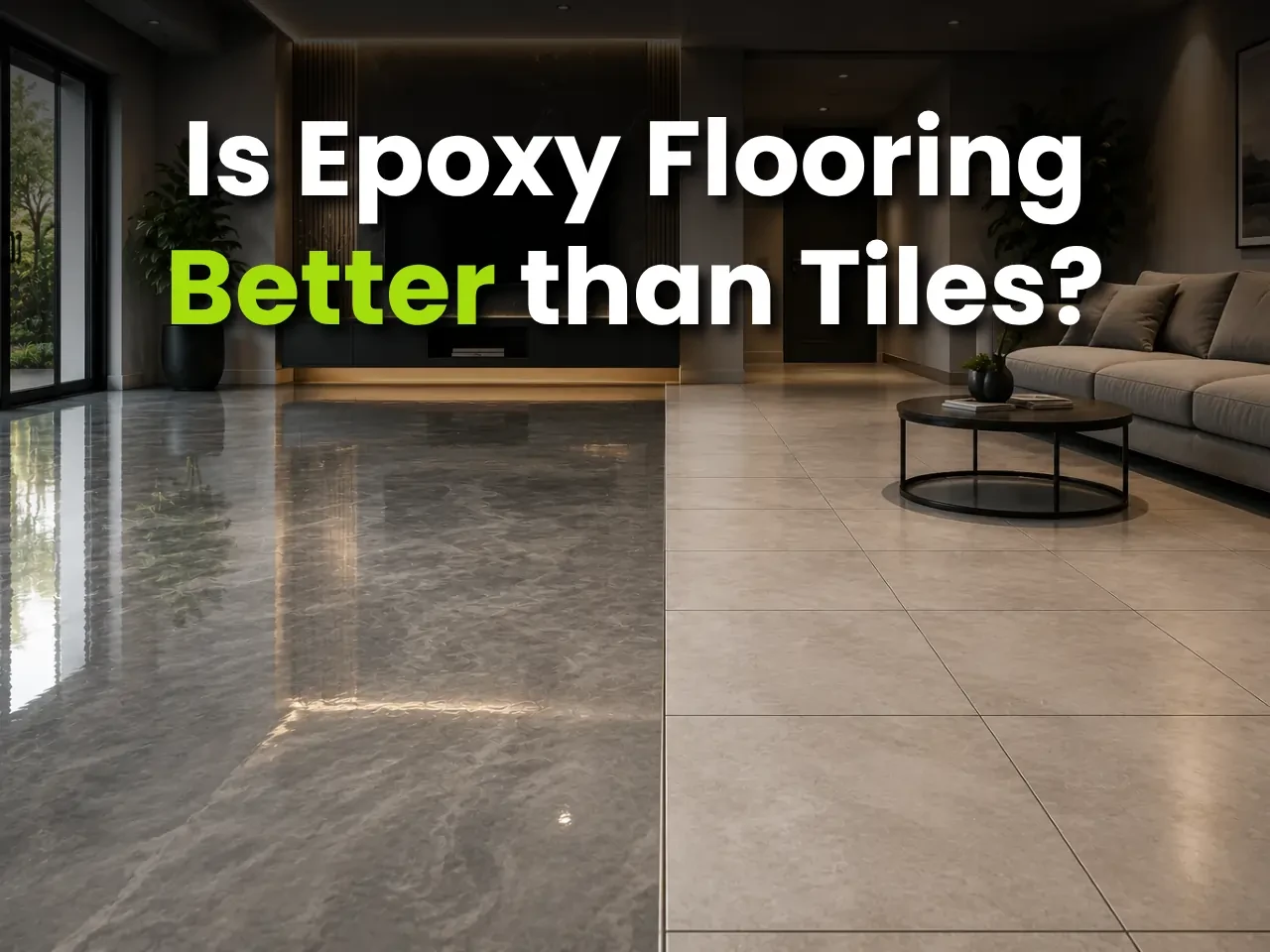
Are you planning to renovate your home, office, showroom, or factory? Choosing the right flooring is one of the most important decisions. It affects the appearance, durability, and maintenance of your space. Today, many homeowners and businesses are confused between epoxy flooring and traditional tiles.
So, is epoxy flooring better than tiles? The answer depends on your requirements. If you're looking for a better finish, high durability, low maintenance, and modern aesthetics, then epoxy flooring can be an excellent choice. Tiles remain popular only because people have used them for a long time. Also, it's available easily.
In this blog, you'll learn everything you need to know about epoxy flooring, such as its benefits, cost, comparison with tiles, installation process, and whether it's the right choice for your home or commercial space. We'll also discuss epoxy flooring in Mumbai, pricing, and how to choose the right supplier or contractor.
What is Epoxy Flooring?
Many people do not know about epoxy flooring. It is becoming very popular nowadays. It's a durable flooring system created by applying epoxy resin and hardener over a prepared concrete surface. When these two components are mixed, they form a strong and seamless protective layer that bonds firmly with the floor. Epoxy creates a smooth, joint-free surface that is resistant to water, chemicals, stains, scratches, and heavy traffic.
Epoxy flooring is widely used in homes, warehouses, hospitals, factories, showrooms, offices, garages, parking areas, and commercial buildings. Modern epoxy flooring is available in multiple finishes such as Glossy Finish, Matte Finish, Metallic Finish, Anti-Skid Finish, Decorative Flake Finish, and 3D Epoxy Flooring. These options allow owners to create stylish floors without compromising on durability.
What are the Key benefits of epoxy flooring?
Here are some of the key features and main benefits of epoxy flooring:
1. High Durability
Epoxy flooring is strong and resistant to water. It is perfect for high-traffic areas like garages, warehouses, and industrial floors.
2. Chemical and Stain Resistance
It resists damage from oil, grease, cleaners, and other harsh chemicals. It helps maintain a clean surface.
3. Seamless and Easy to Clean
Epoxy creates a smooth, non-porous surface that’s easy to sweep, mop, and maintain. It creates no joints or grout lines.
4. Glossy Finish
Epoxy floors improve the look of any space with their high-gloss appearance. These are available in various colours and decorative effects.
Epoxy Flooring vs Tiles
One of the most common questions people ask is whether they should choose epoxy flooring or tiles. Both flooring options have their advantages, but the right choice depends on where the flooring will be used. Here's a quick comparison.
| Feature | Epoxy Flooring | Tiles |
| Surface | Seamless | Joint Lines |
| Durability | Excellent | Good |
| Water Resistance | High | Good |
| Chemical Resistance | Excellent | Limited |
| Maintenance | Low | Medium |
| Design Options | Modern & Custom | Wide Variety |
| Installation Time | Moderate | Moderate |
| Heavy Load Capacity | Excellent | Moderate |
Benefits of Epoxy Flooring
Tiles are good for many residential applications, but epoxy flooring performs better in areas that experience heavy traffic, machinery, moisture, or chemical exposure. Epoxy flooring is very popular because of its practical advantages. Here are some of the biggest benefits of epoxy flooring.
Highly Durable: Epoxy flooring creates a hard protective layer that can withstand heavy foot traffic, machinery, and daily wear. This makes it suitable for both residential and industrial applications.
Water Resistant: Unlike many flooring options, epoxy does not absorb water. It helps protect the concrete underneath from moisture damage.
Chemical Resistant: Industrial facilities, laboratories, garages, and factories often prefer industrial epoxy flooring because it can resist many chemicals, oils, and spills.
Easy to Clean: Since there are no grout lines, dust and dirt do not accumulate easily. Regular sweeping and occasional mopping are usually enough to maintain the floor.
Attractive Appearance: Epoxy flooring gives your space a clean and premium look, whether you choose a glossy finish, matte finish, or decorative flakes.
Long Service Life: Epoxy flooring can last for many years when installed correctly and maintained properly. It is a cost-effective flooring solution.
Is Epoxy Flooring Suitable for Homes?
Many people believe epoxy flooring is only used in factories or warehouses. However, that's no longer true. Today, residential epoxy flooring is becoming increasingly popular because homeowners want modern, low-maintenance flooring that looks elegant and lasts longer. Epoxy flooring can easily match modern interior designs with decorative colours and designer finishes available today.
You can use epoxy flooring for homes in:
- Living Rooms
- Kitchens
- Bedrooms
- Garages
- Parking Areas
- Balconies
- Basements
- Outdoor Utility Areas
Can Epoxy Flooring Be Installed Over Existing Tiles?
This is another question many homeowners ask. In some cases, epoxy flooring tiles can be applied over existing tiles, but only if the tiles are firmly fixed and the surface is properly prepared. Cracked, loose, or uneven tiles usually need repair before epoxy installation. A professional inspection is always recommended before installation because proper surface preparation plays a major role in the final finish and durability of the floor.
Types of Epoxy Flooring
There are different types of epoxy flooring available for homes, commercial spaces, and industries. Each type is designed for specific applications and offers unique benefits. Here are some of the most popular types of epoxy flooring.
1. Self-Leveling Epoxy Flooring
This type creates a smooth and seamless surface. It is good for homes, offices, hospitals, and commercial buildings.
2. Metallic Epoxy Flooring
Metallic epoxy flooring gives a premium and luxurious look with unique patterns and a glossy finish. It is commonly used in showrooms, hotels, and modern homes.
3. Decorative Flake Epoxy Flooring
This flooring contains decorative flakes that improve the appearance while providing better slip resistance. It is suitable for garages, workshops, and commercial spaces.
4. Anti-Skid Epoxy Flooring
Anti-skid epoxy flooring is designed for areas where safety is important. It is commonly used in factories, parking areas, kitchens, and industrial facilities.
5. Industrial Epoxy Flooring
Industrial epoxy flooring is made to withstand heavy machinery, chemical spills, and high traffic. It is widely used in warehouses, manufacturing units, and factories.
6. 3D Epoxy Flooring
3D epoxy flooring creates realistic designs and visual effects using high-resolution graphics. It is becoming a popular choice for luxury homes, hotels, restaurants, and commercial interiors.
Epoxy Flooring Cost in India
One of the biggest questions people ask before choosing epoxy flooring is, "How much does epoxy flooring cost?" The answer depends on several factors, like the area size, floor condition, epoxy quality, design, thickness, and labour charges. Generally, the epoxy flooring cost is higher than regular floor paint, but it offers better durability, lower maintenance, and a much longer lifespan. It is considered a smart long-term investment.
If you're planning a residential or commercial project, always request a site inspection from a trusted provider like The Constructions Hub before comparing quotations. Every project has different flooring requirements, so prices may vary accordingly.
Epoxy Flooring Price Per Sq Ft
The epoxy flooring price per sq ft depends on the type of epoxy system you choose.
For example:
- Basic Epoxy Coating
- Self-Leveling Epoxy Flooring
- Metallic Epoxy Flooring
- Decorative Flake Flooring
- Anti-Skid Epoxy Flooring
- Industrial Heavy-Duty Epoxy Flooring
Epoxy Resin Flooring Cost
The epoxy resin flooring cost depends mainly on the quality of the resin being used.
Premium-grade epoxy resin offers:
- Better durability
- Strong adhesion
- Higher chemical resistance
- Better UV stability
- Longer service life
Epoxy Floor Installation Cost
Many people focus only on the material price but forget that proper installation is equally important. The epoxy floor installation cost depends on factors like:
- Surface preparation
- Crack repair
- Grinding and cleaning
- Primer application
- Number of epoxy coats
- Floor size
- Design complexity
- Labour charges
Note: Check our complete guide on Epoxy Flooring Solutions to learn about epoxy flooring cost, installation, types, and pricing.
3D Epoxy Flooring Price
One of the latest trends in interior design is 3D epoxy flooring. It creates realistic visual effects using high-resolution printed graphics covered with a transparent epoxy coating.
Popular 3D flooring designs are:
- Ocean Theme
- Waterfall Effects
- Marble Finish
- Nature Designs
- Stone Texture
- Abstract Patterns
Instead of choosing the cheapest option, compare the material quality, warranty, installation process, and contractor experience before making a decision. Investing in high-quality epoxy resin usually provides better value over the long term because it reduces maintenance and repair expenses.
The 3D epoxy flooring price is generally higher than standard epoxy flooring because of the additional design work and specialised installation process. However, it offers a unique and luxurious appearance that instantly enhances the beauty of any residential or commercial space. A professionally installed epoxy floor not only looks better but also lasts much longer. That's why many homeowners, builders, architects, and business owners now prefer epoxy flooring for both residential and commercial projects.
Epoxy Flooring Services in Mumbai
Mumbai is one of India's fastest-growing cities, with thousands of residential, commercial, and industrial projects completed every year. The demand for epoxy flooring in Mumbai is also increasing as modern construction techniques become more popular.
Since Mumbai experiences high humidity and heavy rainfall, many property owners prefer epoxy flooring. It offers excellent moisture resistance and long-lasting performance. If you're planning a renovation or a new construction project, always choose high-quality materials and experienced professionals like The Constructions Hub for the best results.
Epoxy flooring in Mumbai is widely used in:
- Residential Apartments
- Villas
- Shopping Malls
- Showrooms
- Restaurants
- Warehouses
- Hospitals
- Factories
- Parking Areas
- Office Buildings
How to Choose the Right Epoxy Flooring Company
Installing epoxy flooring is not just about applying resin on a concrete surface. Proper surface preparation, high-quality materials, and skilled workmanship play an important role in the durability of the floor. Consider the following important points before choosing a contractor.
Experience: Choose a company that has experience in residential, commercial, and industrial epoxy flooring projects.
Material Quality: Always ask about the epoxy brand and material quality being used. Premium materials provide better durability and finish.
Portfolio: Check previous projects to understand the quality of workmanship.
Warranty: A professional flooring company usually provides workmanship or product warranty depending on the project.
On-Time Project Completion: A good construction company completes your project within the promised timeline. This helps save both your time and money.
Maintenance Tips for Epoxy Flooring
One of the biggest advantages of epoxy flooring is that it requires very little maintenance. Epoxy flooring can maintain its shine and performance for many years with proper care. Here are a few simple tips to keep your floor looking new for years.
- Sweep the floor regularly to remove dust.
- Clean spills as soon as possible.
- Use a soft mop for routine cleaning.
- Avoid dragging heavy furniture across the floor.
- Use recommended cleaning solutions.
- Schedule periodic inspections for industrial flooring.
The Construction Hub provides high-quality construction materials and reliable construction solutions to help you build stronger, smarter, and longer-lasting spaces. Our team is here to help, whether you're searching for epoxy flooring in Mumbai, epoxy flooring near me, epoxy flooring companies near me or looking for trusted construction materials for your next project.
Frequently Asked Questions (FAQs)
1. Is epoxy flooring better than tiles?
A: Yes, epoxy flooring offers several advantages over traditional tiles, like a seamless finish, better durability, water resistance, chemical resistance, and lower maintenance. However, the best option depends on your budget and where the flooring will be used.
2. What is the average epoxy flooring cost?
A: The epoxy flooring cost depends on the floor size, material quality, design, and installation process. A site inspection is the best way to get an accurate estimate.
3. Is epoxy flooring suitable for homes?
A: Yes. Residential epoxy flooring is becoming increasingly popular for living rooms, kitchens, garages, balconies, and parking areas. It is durable, stylish, and easy to maintain.
4. How long does epoxy flooring last?
A: A professionally installed epoxy floor can last for many years with proper maintenance. Its lifespan depends on usage, material quality, and installation.
5. Can epoxy flooring be used in factories?
A: Absolutely, Industrial epoxy flooring is designed to withstand heavy machinery, chemicals, forklifts, and continuous foot traffic. It is best for factories and warehouses.
6. Is epoxy flooring waterproof?
A: Epoxy flooring is highly resistant to water and moisture. It is suitable for kitchens, parking areas, garages, commercial spaces, and industrial facilities.